Precision Microvia Filling for TGV Substrates
After glass microvias are formed, the vias can be filled to create conductive vertical interconnects through the glass substrate.
TGVGlass supports four filling routes for different TGV structures and packaging requirements, covering both paste-based and electroplating-based processes.
The filling method is selected according to via structure, substrate design, electrical targets, and downstream packaging requirements.
Microvia Filling Options
Four established filling routes for different TGV structures and downstream packaging requirements.
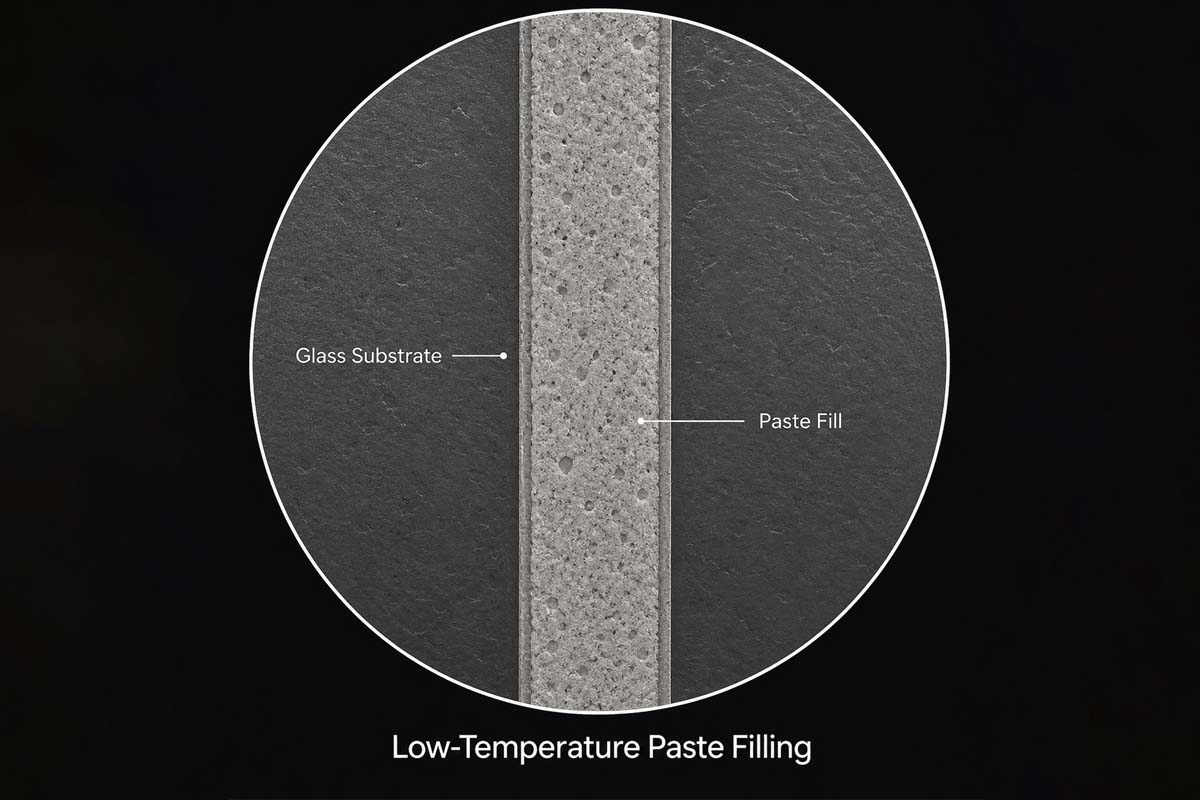
Low-Temperature Paste Filling
A paste-based filling route for metallizing glass through vias and blind vias under a comparatively low-temperature process.
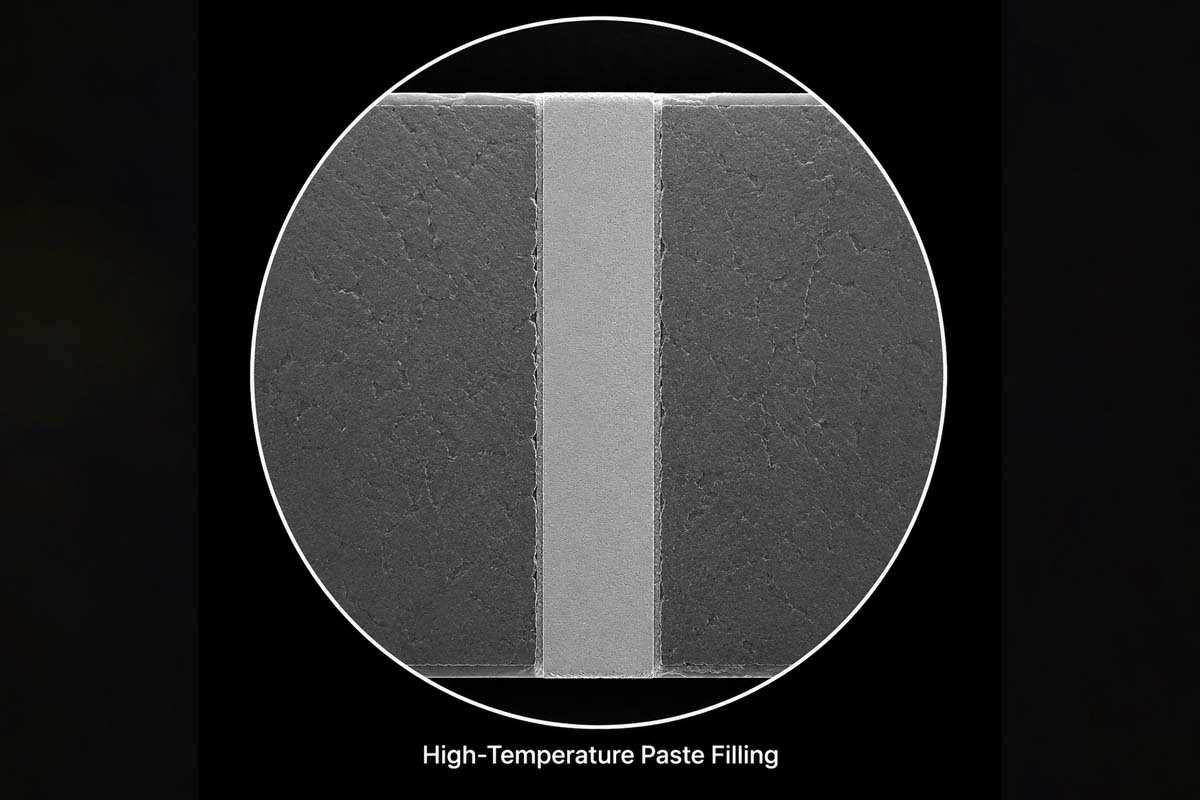
High-Temperature Paste Filling
A high-temperature paste filling option for TGV structures requiring a different material and thermal processing route.
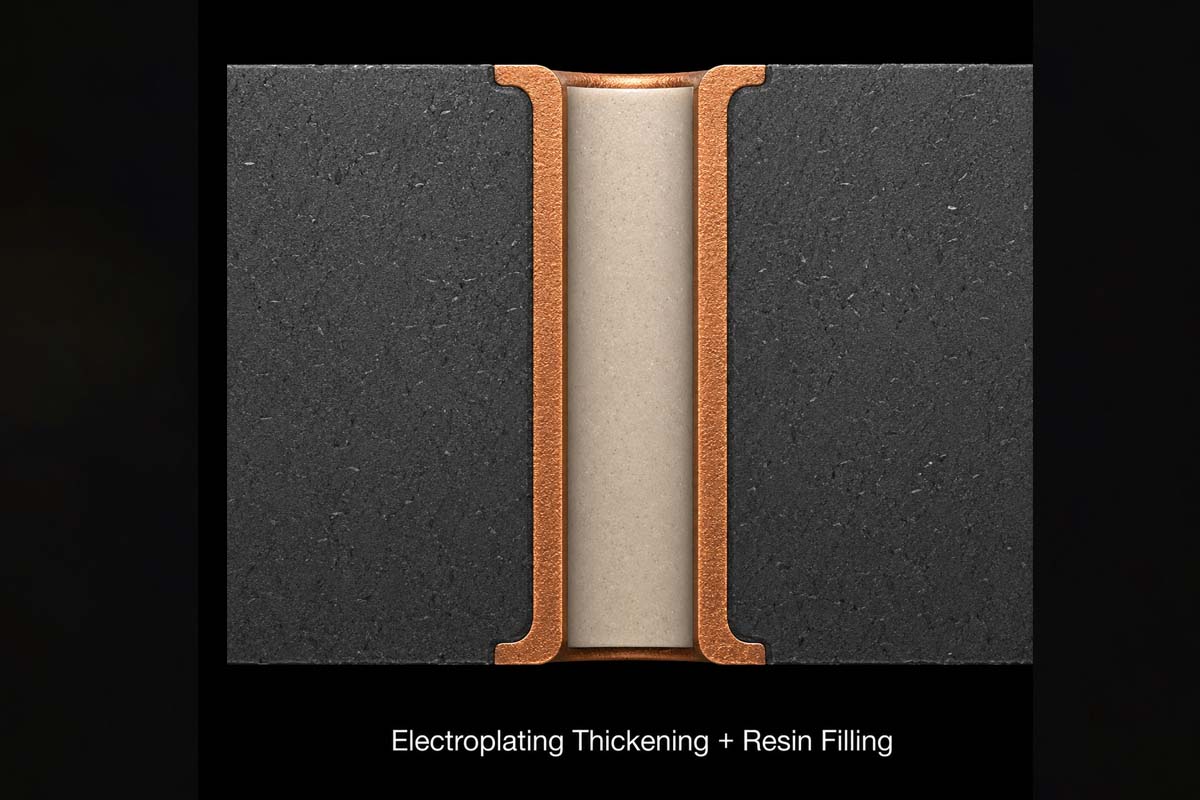
Electroplating + Resin Backfill
Metal is built up by electroplating, followed by resin filling to complete the remaining via structure.
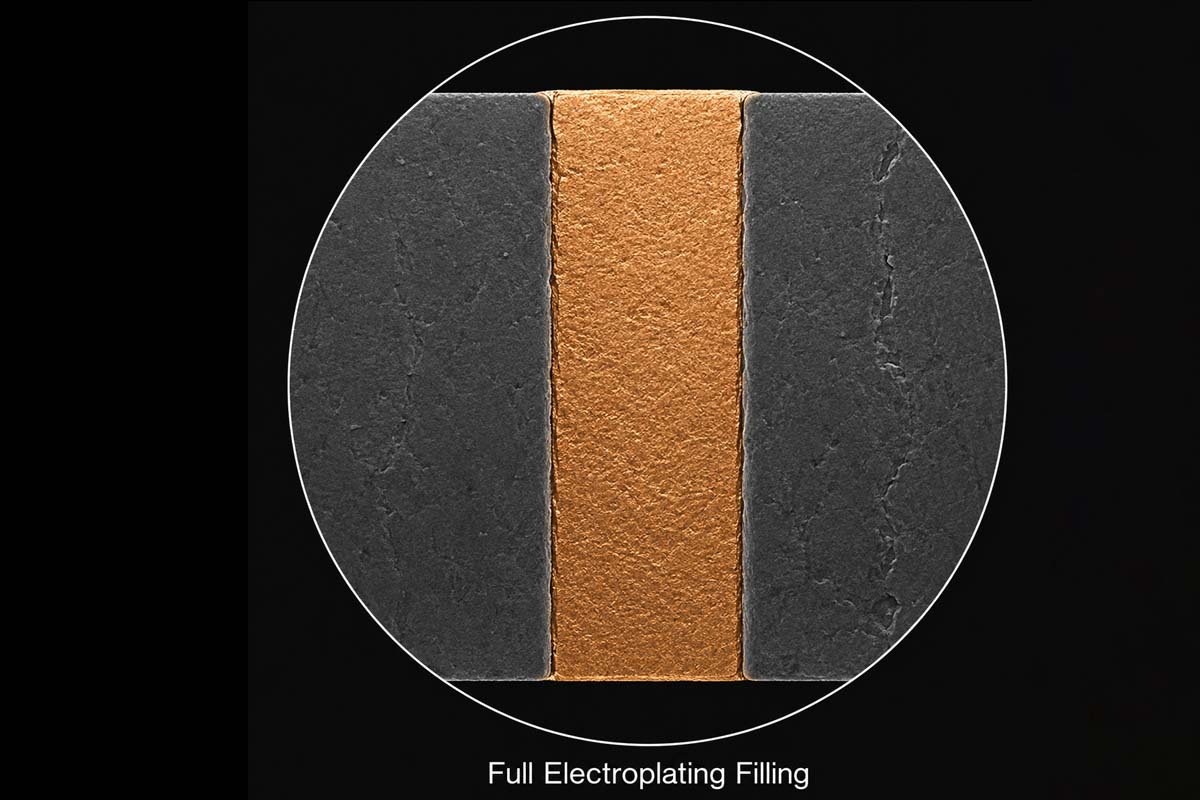
Full Electroplating Fill
An electroplating-based route in which the glass microvia is filled with metal to form a dense conductive via structure.
Need Help?
Send us your via structure, dimensions, substrate format, and electrical requirements to select the appropriate filling route.
Microvia Filling Features
Core structure, density, process-route and interconnection capabilities.
Through & Blind Via Filling
Both glass through vias and blind vias can be filled according to the substrate and package design.
Microvias Below 30 μm
High-density metal filling is available for through vias and blind vias with diameters below 30 μm.
Four Filling Routes
Low-temperature paste, high-temperature paste, electroplating with resin backfill, and full electroplating filling are available.
Vertical Interconnection
Filled TGV structures provide conductive paths through the glass substrate for vertical electrical interconnection.
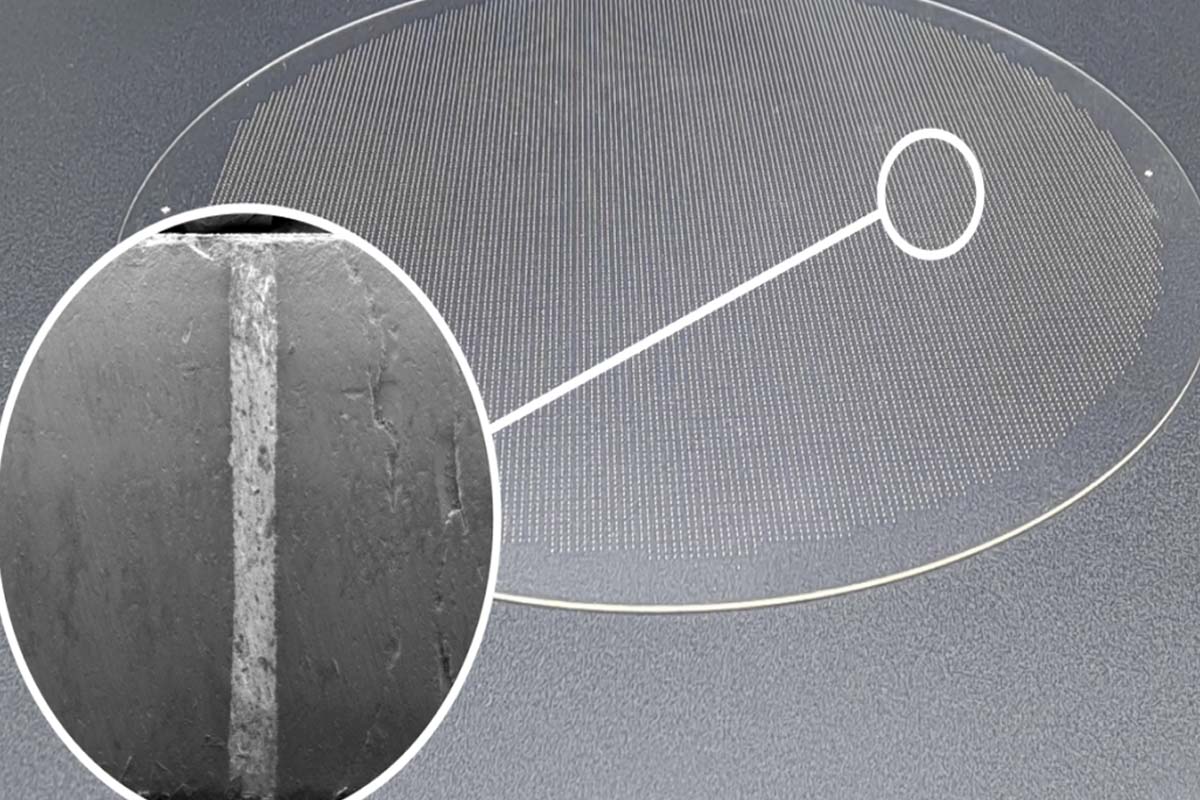
Microvia Filling Solutions
- TGV Vertical Interconnects — conductive via filling for glass substrates used in three-dimensional packaging.
- High-Density Via Arrays — filling of densely arranged microvias according to the TGV layout.
- Through Via Filling — metallization of vias extending through the glass substrate.
- Blind Via Filling — filling of glass blind vias for application-specific structures.
- Wafer & Panel Processing — filling can be integrated with wafer- and panel-format TGV substrates.
Custom Options for Microvia Filling
TGV microvia filling is selected according to the existing glass via structure and final package requirements.
Filling Method
Choose from low-temperature paste filling, high-temperature paste filling, electroplating with resin backfill, or full electroplating fill.
Via Structure
Both through vias and blind vias can be evaluated for metal filling.
Via Diameter
High-density filling is available for microvias below 30 μm.
Substrate Format
TGV substrates can be processed in wafer formats from 2 in. to 12 in. and panel formats up to 510 × 510 mm.
Request A Quote
Send Your Via Requirements
Send us your glass substrate information, via dimensions and filling requirements. Our engineering team can evaluate the appropriate filling route for your TGV structure.
Microvia Filling Applications
Metal-filled TGV structures for RF, optical, sensor, display and brain-interface packaging.

RF Packaging
Metal-filled TGV structures provide vertical electrical interconnection for RF chip packaging.

CPO
High-density glass via filling can be used in TGV substrates for CPO packaging structures.
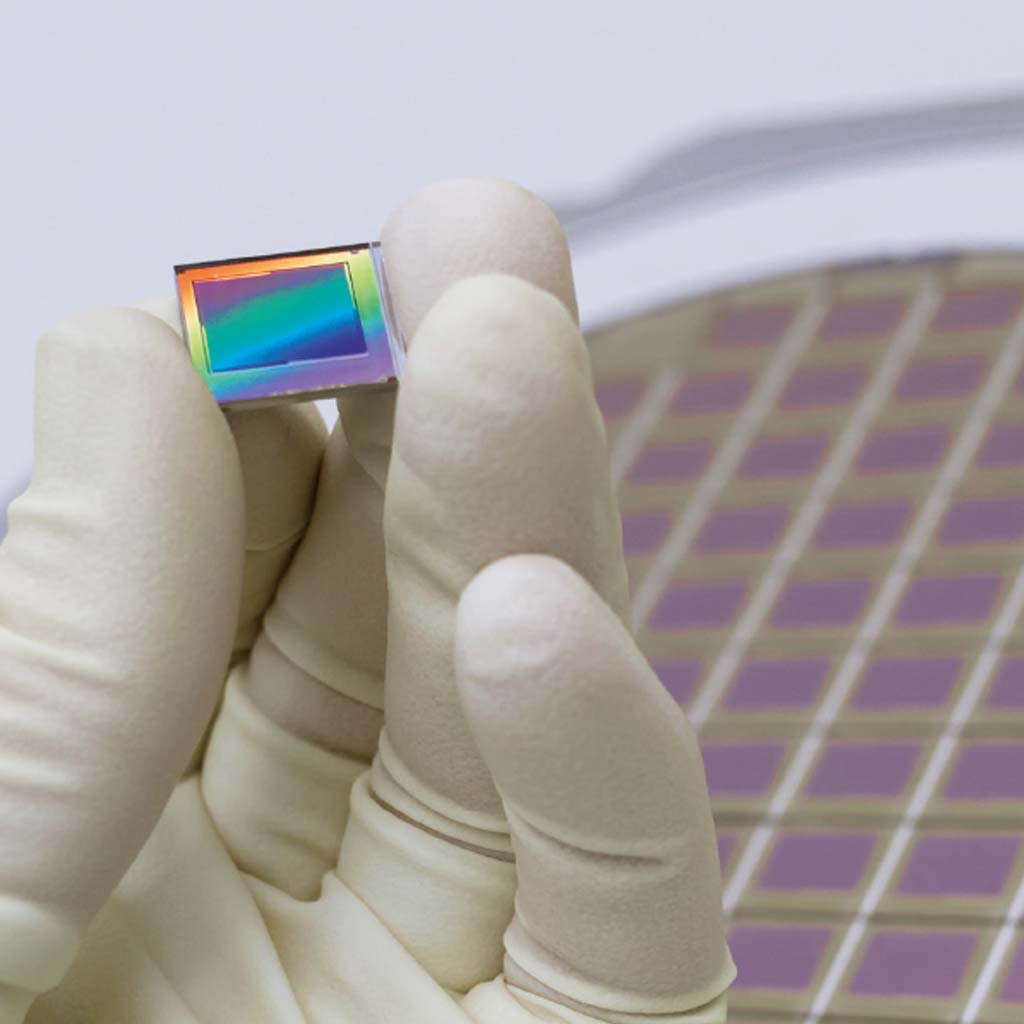
MEMS & Sensors
Through and blind via filling can be integrated into glass substrates for MEMS and sensor packaging.
Display
Metal-filled microvia arrays can support vertical interconnection in display-related packaging.
Brain-Interface Devices
TGV microvia filling is also used in glass-based packaging structures for brain-interface chip applications.
Connect with our experts
We’re here to help
Our engineers review your drawing, material, tolerances, and target quantity before quotation.
Request a Process Evaluation
Tell us about the substrate, dimensions, tolerance, quantity, processing, bonding, routing, or packaging requirements.