What Is a Glass Microfluidic Chip?
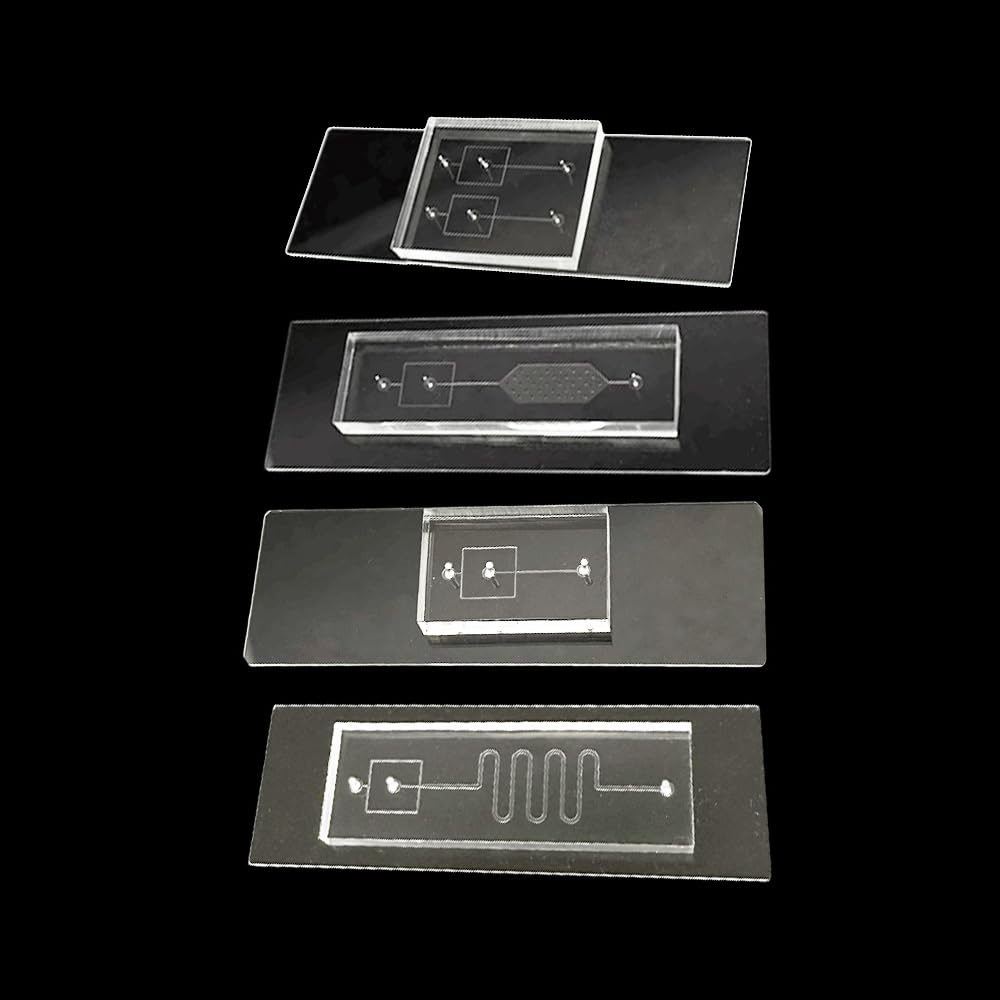
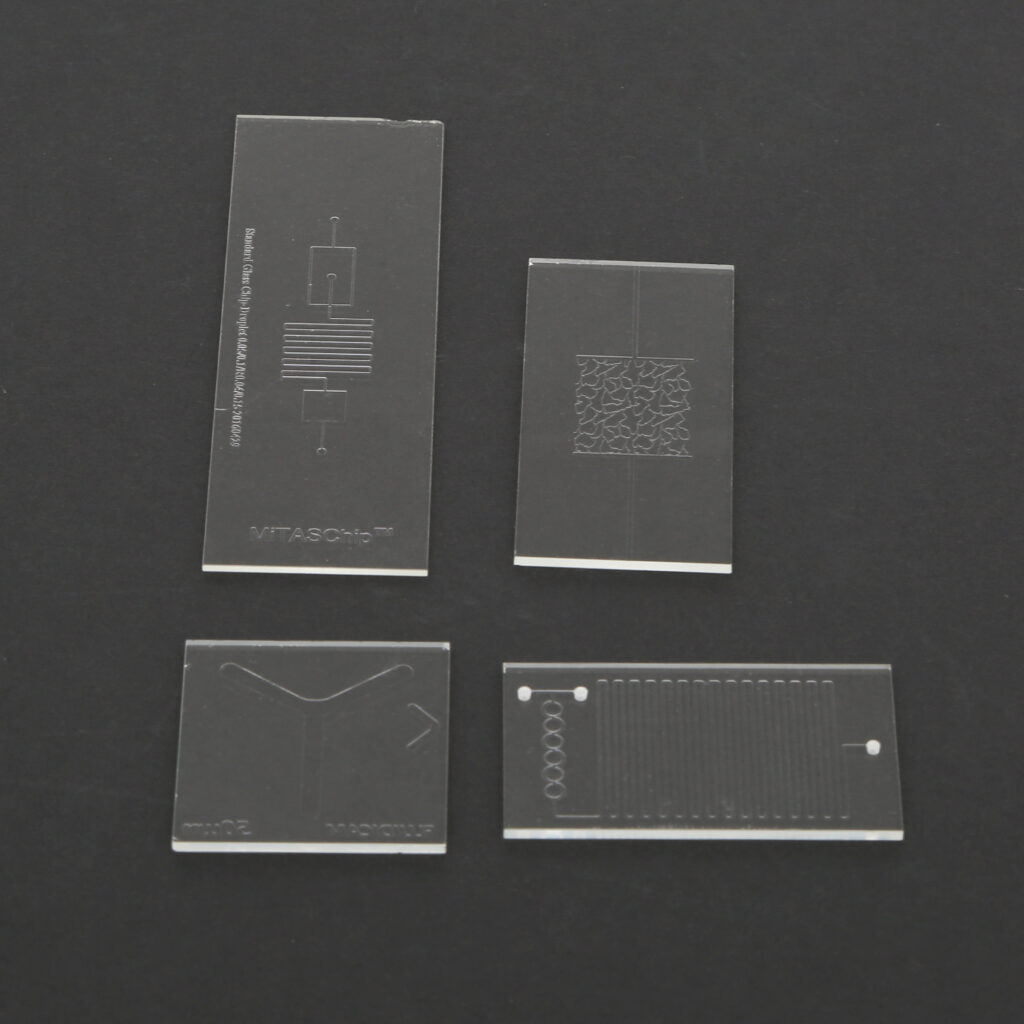
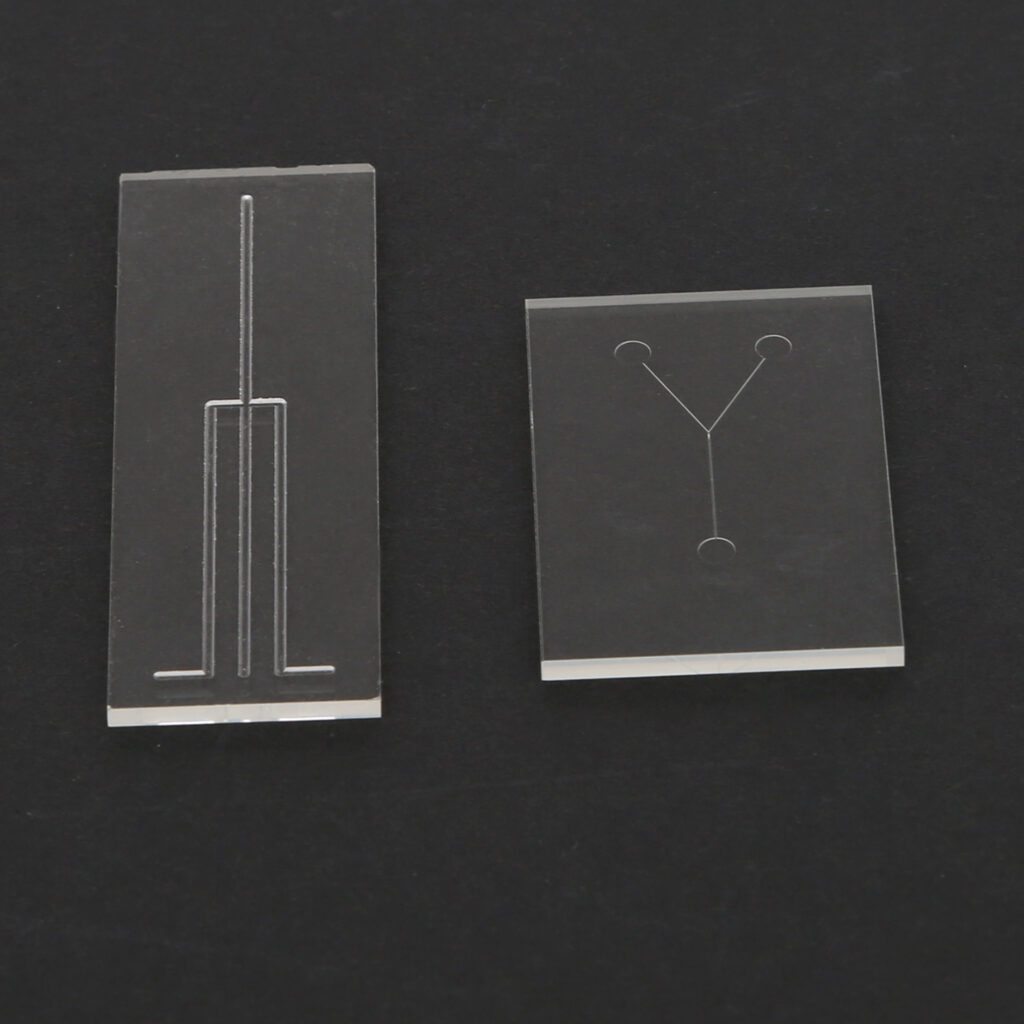
Glass microfluidic chips integrate micron-scale channels and functional structures into a glass substrate to control, transport, mix, separate, or analyze very small volumes of liquids.
Glass combines optical transparency, chemical resistance, thermal stability, and precision microfabrication capability, making it suitable for biological analysis, chemical testing, cell research, and other microfluidic applications.
Customer Problems
Microfluidic devices often require narrow channels, high aspect ratios, complex channel paths, and smooth internal surfaces within a small glass substrate.
Different applications may also require specific optical properties, chemical resistance, temperature stability, or biological compatibility. Selecting the correct glass and matching the channel geometry to the application are therefore important parts of custom microfluidic device development.
Specifications
Custom microchannels and functional structures across a broad selection of technical glass substrates.
| Parameter | Capability |
|---|---|
| Materials | Borosilicate, JGS1 / JGS2 / JGS3 quartz, soda-lime, aluminosilicate, glass-ceramics, and other technical glasses |
| Minimum Feature Size | 5–50 µm, depending on material and structure |
| Edge Damage | <10 µm |
| Internal Surface Roughness | Ra <1 µm after polishing |
| Channel Width | Several microns to several hundred microns |
| Maximum Channel Depth | 1 mm |
| Maximum Aspect Ratio | Up to 1:100 |
| High-Aspect-Ratio Channel | 10 µm width with depth up to 1000 µm |
| Glass Thickness | 100 µm–30 mm |
| Channel Geometry | Straight, curved, and custom-shaped channels |
Need Help?
If your required channel size, glass material, or device geometry is not listed above, send us your design requirements for a custom evaluation.
Glass Material Options
Glass selection depends on the optical, chemical, thermal, and biological requirements of the microfluidic device.
| Property / Application | B270 Glass | BF33 Glass | D263 Glass |
|---|---|---|---|
| Optical Performance | Excellent optical transparency | High transmission, low fluorescence background | Good optical performance for microscopy and biochips |
| Mechanical Strength | Relatively high compressive and bending strength | Standard | Standard |
| Thermal Expansion | Moderate | Low | Moderate |
| Chemical Stability | Good resistance to many chemicals | Good corrosion resistance | Good, commonly used in biological applications |
| Temperature Stability | Moderate | Good | Moderate |
| Processing | Moderate | More difficult to etch | Moderate |
| Typical Applications | General microfluidic applications | Low-fluorescence and chemically demanding applications | Biological and microscopy applications |
Why Glass for Microfluidics?
Optical access and precise three-dimensional fluidic structures in a stable technical substrate.
Clear Optical Observation
High transparency supports microscopy, imaging, optical detection, and direct observation of fluids and biological samples.
Precision Microchannels
Feature sizes down to 5–50 µm allow compact channel networks and microstructures to be integrated into the substrate.
High-Aspect-Ratio Structures
Structures with aspect ratios up to 1:100 support devices requiring narrow and deep fluidic channels.
Complex Channel Geometry
Straight channels, arbitrary curves, and custom-shaped structures can be formed according to the device design.
Applications
Custom glass microfluidic platforms for droplet control, compact diagnostics, cellular analysis, and application-specific research.
Droplet-Based Microfluidics
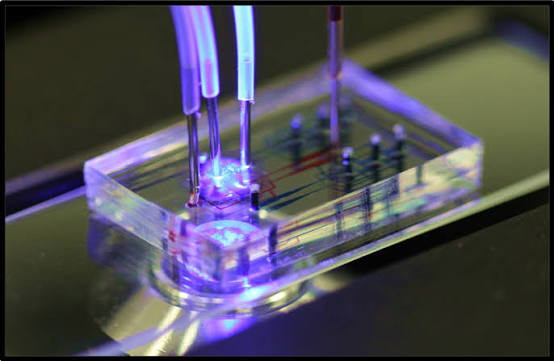
Custom glass chips for droplet generation, manipulation, mixing, and analysis within controlled microchannel structures.

Point-of-Care Testing
Microfluidic devices integrating sample handling, reaction, and detection functions into compact point-of-care platforms.
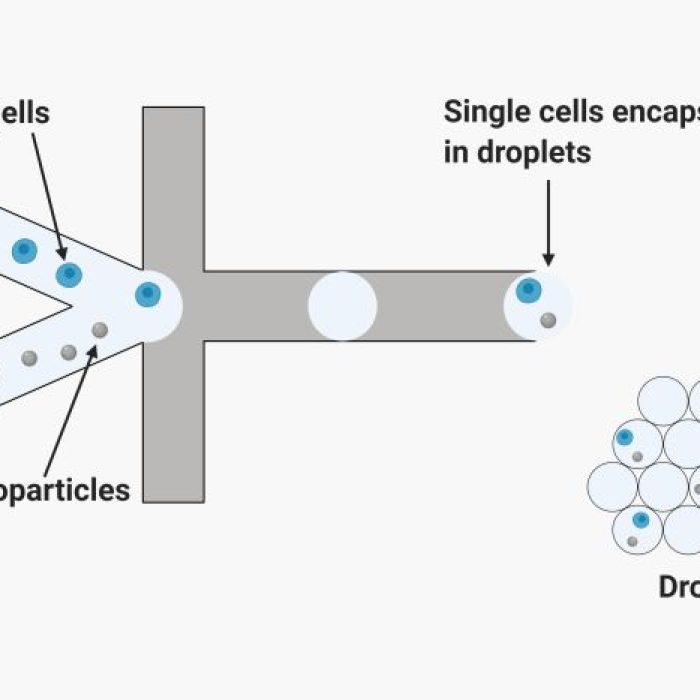
Single-Cell Analysis
Precision microchannels and chambers for cell handling, isolation, observation, and single-cell analysis.
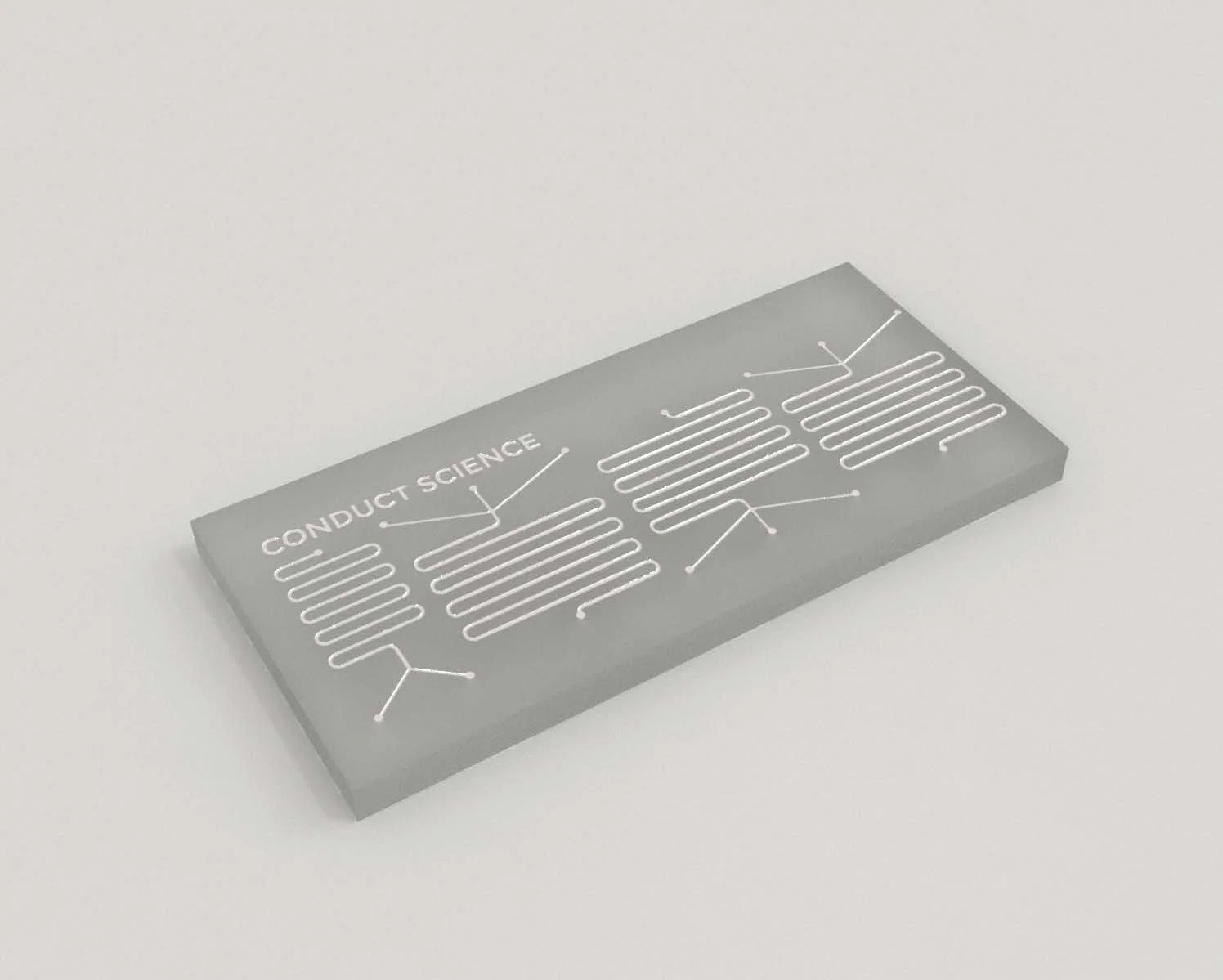
Custom Microfluidic Applications
Custom channel layouts, dimensions, materials, and device structures developed for specific research or industrial requirements.
Solutions for Common Microfluidic Requirements
Process options for narrow deep structures, smooth wetted surfaces, complex paths, and application-specific glass selection.
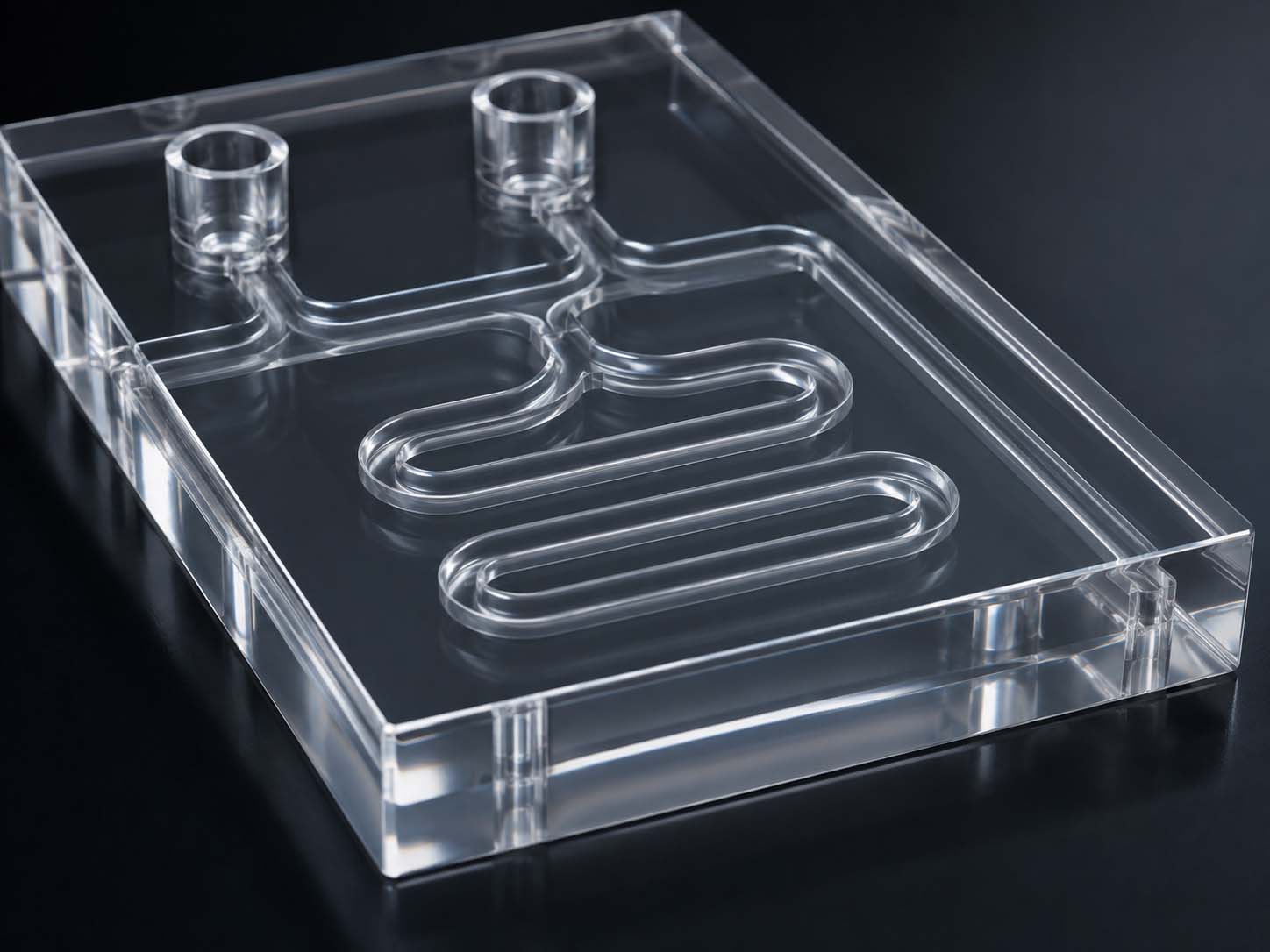
High-Aspect-Ratio Microchannels
Channels down to 10 µm in width can be processed with depths up to 1000 µm for devices requiring narrow and deep structures.
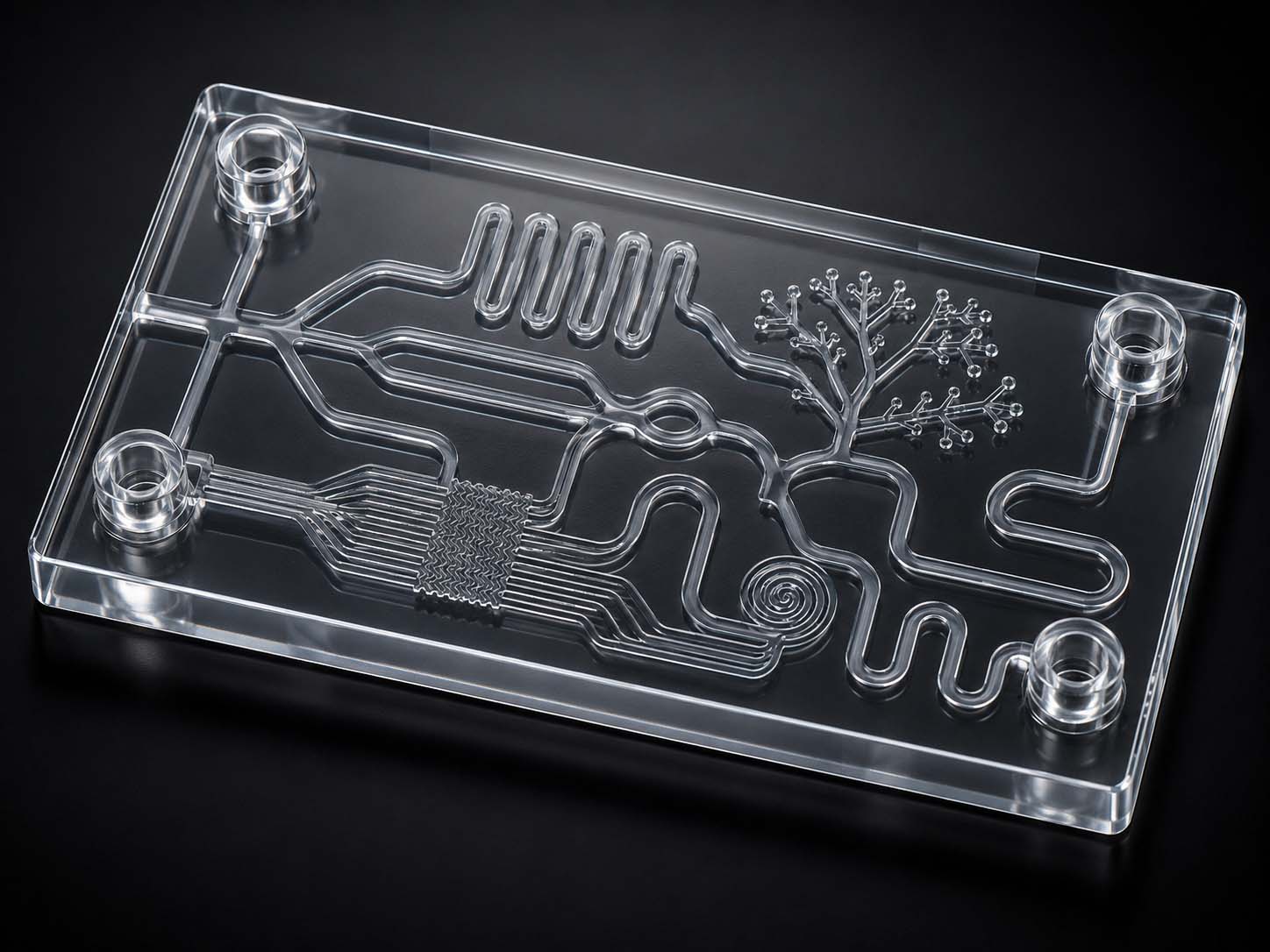
Smooth Internal Channel Surfaces
For applications sensitive to fluid behavior or surface condition, polished channel walls can achieve roughness below Ra 1 µm.
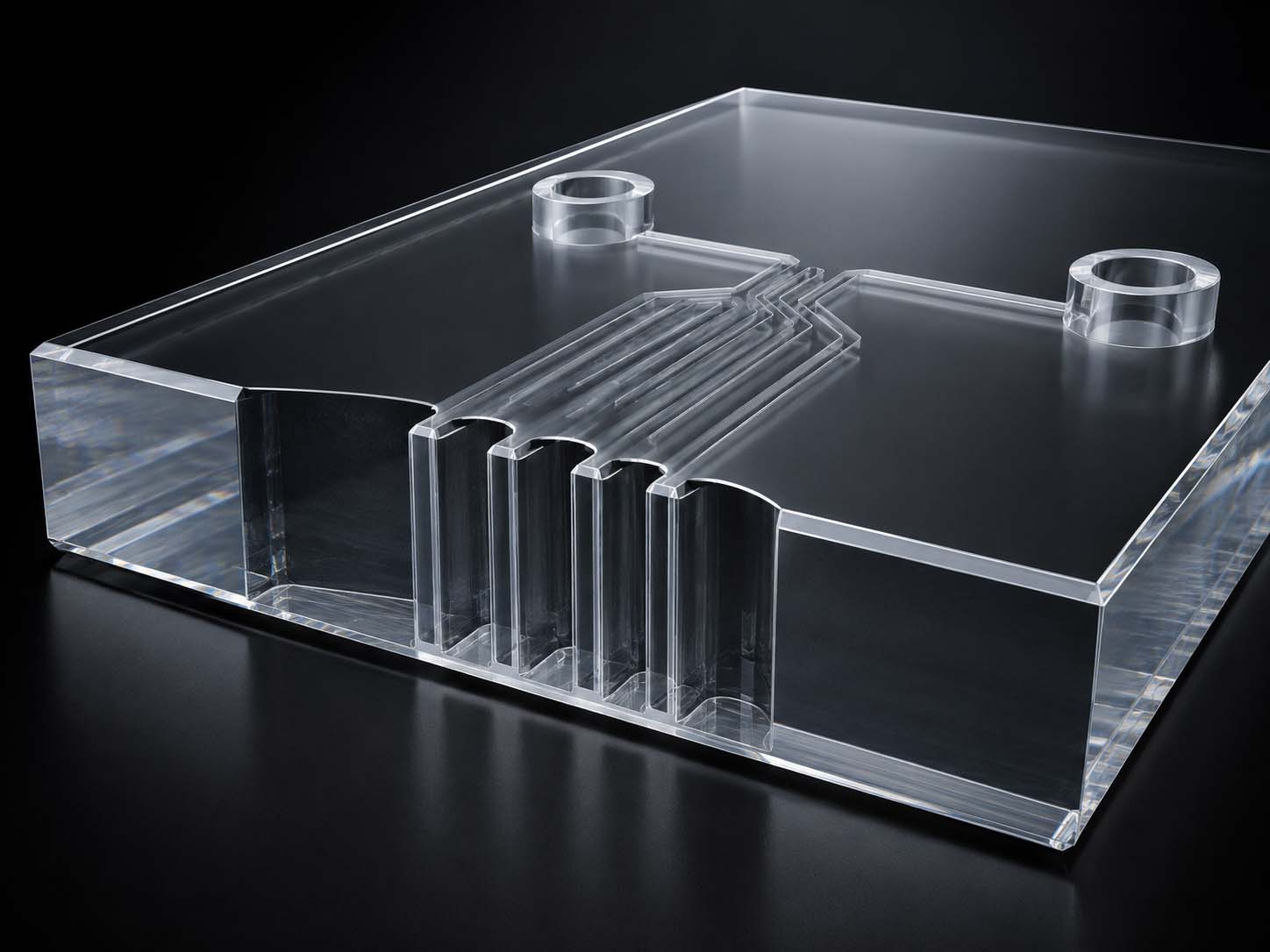
Complex Microfluidic Layouts
Straight, curved, and irregular channel geometries can be integrated into one glass device according to the required fluidic path.
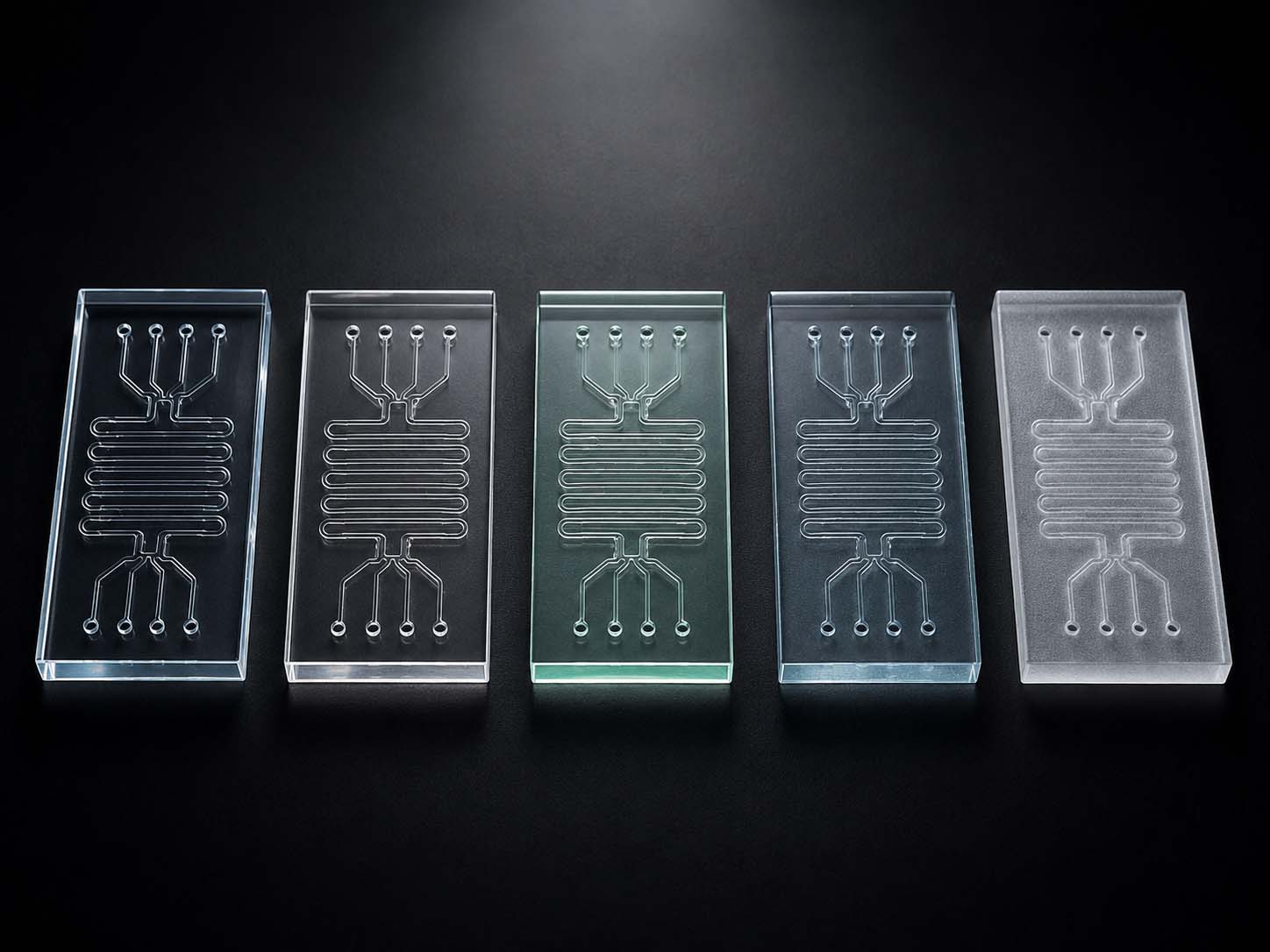
Different Glass Requirements
Borosilicate, quartz, soda-lime, aluminosilicate, and glass-ceramic materials can be selected around optical, chemical, thermal, and application requirements.
Connect with Our Experts
We’re Here to Help
Send us your microfluidic chip drawing, glass material, substrate thickness, channel width and depth, device dimensions, quantity, and intended application.
Quote Form
Send the device inputs needed for an initial microfluidic process and material review.